
The Chanel Transition: A Masterclass in Strategic Succession
What Matthieu Blazy's debut teaches us about executing complex change

Today, at 2:30 PM ET (8:30 PM Paris time), Matthieu Blazy sent his first look down the Chanel runway. After 16 months of preparation (basically an eternity in fashion), the most highly anticipated debut of 2025 finally happened.
While everyone else was changing designers in weeks, Chanel took over a year. The luxury house rebuilt their entire organization and proved that sometimes, the slow play wins.
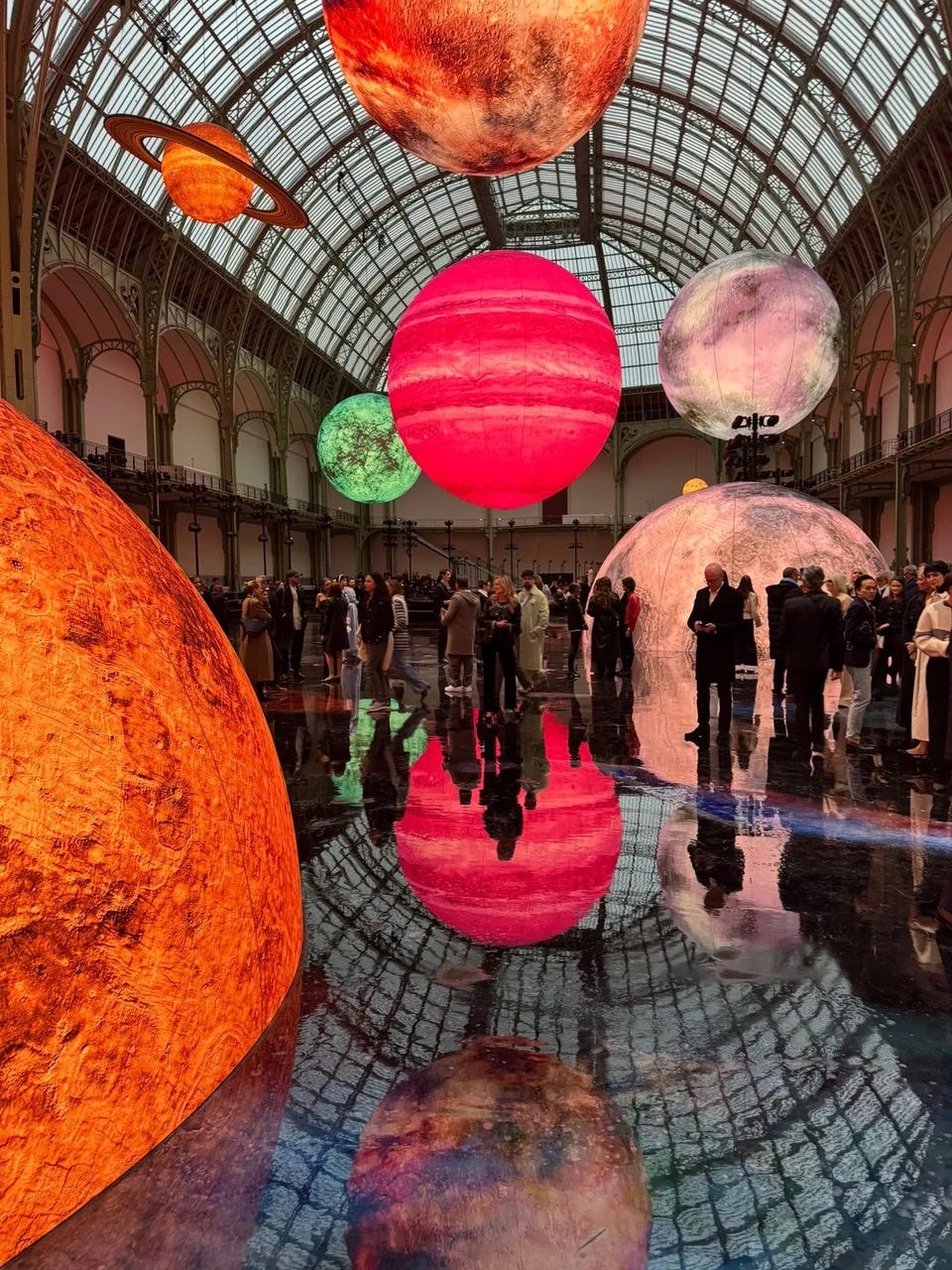
But this isn’t really a fashion story. It’s about how you manage existential change when you’re running a $20B business. Let me break down exactly how Chanel pulled this off, and what it teaches us about actually executing complex transitions.
Wait, why change anything?
Well… the numbers tell the story:
2023: Record year. $19.7B revenue, up 16%. Operating profit of $6.4B
2024: Revenue dropped ~4% to $18.7B. Operating profit fell 30% to $4.5B. First decline since COVID
I suppose you can blame the luxury slowdown— China struggling, aspirational customers pulling back. But there was also something else: creative energy had plateaued. Virginie Viard did an incredible job after Karl Lagerfeld passed in 2019, making collections wearable & accessible… but by 2024, the momentum was gone.
Bruno Pavlovsky (Chanel’s President of Fashion) said, “We knew we needed to introduce a new creative eye to begin a new cycle and regain momentum.”
Chanel wasn’t just swapping creative directors. They were doing a complete generational handover.
In 2022, Leena Nair joined as CEO (ex-Unilever, first external CEO ever) with the mandate to lay the foundations for the next 20 years. In 2024, Blazy was hired as Creative Director.
New CEO + new creative within two years = total transformation. This is what tech companies do during pivots but it is rare in fashion.
But why Blazy?
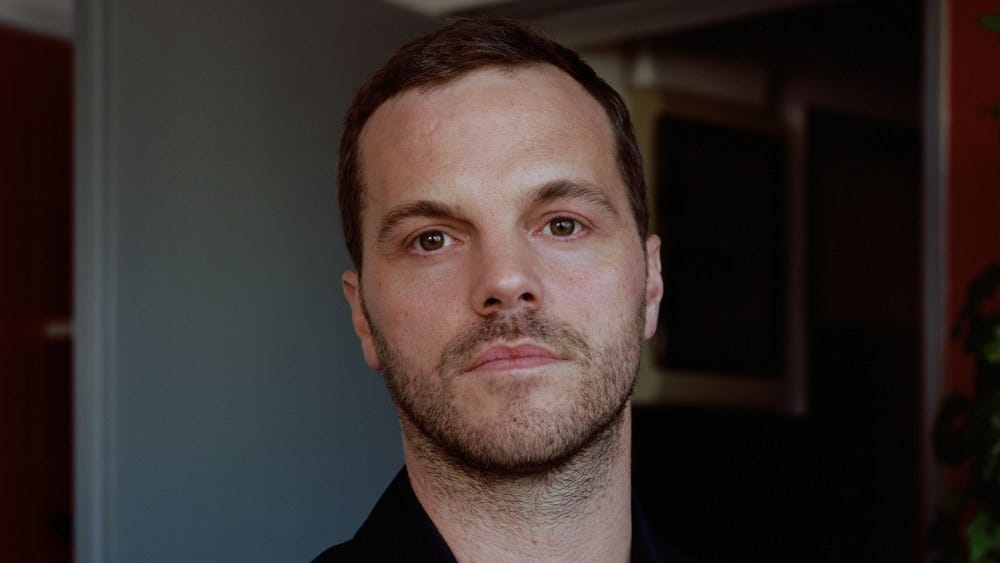
Pavlovsky considered everyone across the industry but Blazy beat out finalists due to:
Product genius: At Bottega Veneta (2021-2024), he launched three hit bags in a row. In an industry where most new bags flop, that’s basically unheard of
Performance in tough markets: While Gucci pretty much collapsed (-40%), Bottega had consistent growth under Blazy
Craftsmanship over hype: Known for “silent luxury”— minimal logos, just obsessive material attention and bags that got better with age
Conductor mindset: Collaborative, not ego-driven
The execution
The real story isn’t the runway. It’s what happened behind the scenes for 16 months as Blazy “onboarded”. Chanel didn’t just change creative directors— they transformed how they operate.
From Karl’s chaos to Blazy’s system
Karl’s way (36 years):
Two-day final fitting sprint
Karl made all decisions last minute
Teams executed at lightning speed
Philosophy: Genius thrives under pressure
Worked brilliantly (for Lagerfeld)… completely unsustainable for anyone else.
Blazy’s way:
Eight-day structured development
Earlier collaboration, gradual refinement
Teams execute in parallel
Philosophy: Space to step back and see broader picture
Pavlovsky: “We’ve structured workflow so Matthieu can manage multiple collections simultaneously. He’s the conductor— orchestrating, ensuring each element aligns.”
The organizational overhaul
Team expansion: The house didn’t gut themselves, they expanded it by hiring designers for specific collections, created a new Haute Couture team (launching Jan 2026), promoted from within, and grew from 36.5K to 38.4K employees
Workflow revolution: Development teams now collaborate from day one instead of waiting for final decisions. Result? Better supplier relationships, faster boutique delivery, higher quality, less chaos
Managing 10 collections per year: 2 Haute Couture, 6 Ready-to-Wear, 2 “Tactical” lines. That’s a new collection every 5 weeks. But the only way it can work is through carefully orchestrated systems
Investing through the storm
While revenue fell and profits tanked, Chanel invested more than ever.
2024 investments: $1.755 billion (+43% vs 2023)
Real estate (42 Avenue Montaigne, Fifth Ave flagship)
48 new stores in 2025
Headcount up 5.2%
Most companies cut costs in downturns. Chanel doubled down.
CEO Leena Nair: “As a 100-year brand, we expect ebbs and flows. Our philosophy has always been long-term view.”
The collection itself
I’d be remiss if I did not provide some commentary on the collection itself. Four weeks before the debut, Blazy told BoF’s Tim Blanks, “We can go two ways. Either we do a clean, modern, by the codes Chanel show— a first step. Or we do this show as if it was our last.”
He paused. “I took the last option.”
Not playing it safe and not easing in, Blazy approached his debut with the creative urgency of a final statement. Tim Blanks, who previewed it, wrote, “Technical mastery, innovation, force of narrative, the sheer confidence— everything people have been waiting for.”
The collection was done in three chapters:
UN PARADOXE: Masculine/feminine tension. The classic Chanel suit reimagined— raw-edged, collarless jacket with masculine shoulders. Wide-legged trousers low on hips. Borrowed from Boy Capel, Coco’s great love. Blazy anchored his vision in Chanel’s founding mythology, not Karl’s maximalist vision. Smart brand stewardship
LE JOUR: Lived-in luxury. Suits knitted instead of woven. Tweeds felt loved and worn. The 2.55 bag appeared pre-crushed, leather lining exposed. Looked like an heirloom, not a fresh status symbol
L’UNIVERSEL: Chanel as a global language. Color and texture exploded. Vibrant tweed patterns. Mismatched, hand-painted linings. Jewelry in abundance. Shoes stayed practical. Maximalist in spirit but restrained
Some of my favorite looks


What this teaches operators
Lesson 1: Succession ≠ swapping people
Most companies treat succession as plug-and-play but Chanel understood that true succession requires systematic transformation. They restructured workflows, expanded teams, changed processes, invested during the decline
Takeaway → New leaders without new systems perpetuate old problems
Lesson 2: The “Conductor” leadership model
Old model: Genius at center makes all decisions. Teams react. High drama. Unsustainable
New model: Clear vision from leader. Empowered teams execute in parallel. Structured collaboration. Sustainable, scalable, survives leadership changes
Takeaway → As orgs scale, “genius at center” breaks. Best leaders create systems where talented teams do their best work
Lesson 3: Invest in the brand (even when everyone else cuts)
Most companies cut in downturns. Chanel increased investment 43%, expanded headcount, accelerated openings, accepted 30% profit decline.
Why? Because downturns are when you gain share. When competitors cut, you expand but it requires financial strength, strategic conviction, and private ownership freedom
Takeaway → If you have capacity and conviction, downturns are opportunity. Talent’s available, assets are cheaper, and consumers notice who’s investing
The verdict
Too early for definitive answers. We have one collection. Real answers take years:
Does work sustain? (3-4 collections)
Do workflows scale? (First full year)
Does revenue recover? (2026 financials)
Does Blazy stay? (5+ years)
This is Beyond the Mirror, where strategy meets style. Want more? Subscribe
NEXT ISSUE: The Unit Economics of a Chanel Bag (Why a $200 bag sells for $11,300—and what it teaches about luxury business models)
Disclaimer: Everything I write here is my personal analysis and doesn’t represent my employer’s views. Beyond the Mirror is my independent project—just me, my laptop, and way too much coffee analyzing fashion-tech strategy. All opinions (and hot takes) are mine
Loved seeing this case study! Especially cool to see how a 100 year old company like Chanel can still be at the cutting edge - thanks for sharing Darynn!